
Note: Short posts like this one offer a big-picture look at nutrition, lifestyle, and sustainability topics. For a deeper dive into this subject, or any other one, reach out about my virtual classes or one-on-one sessions!
What’s the first thing that comes to mind when you hear the word “sugar”? We’ve all seen the headlines: sugar is bad, sugar is addictive. Then there’s the buzz that sugar in moderation is ok. But it leaves you wondering . . . are they talking about the bowl of fruit on my counter or the granulated bag of it in my cupboard?
You’re not alone in your questions. Sugar is one of (we’ll get to carbs and fats on this blog soon!) the most misunderstood ingredients in modern food. With so many different forms and sources, it’s no wonder there’s so much confusion.
Everyone deserves to understand the basics of what sugar is and how it works in the body. So, let’s break it down together—clearly, calmly, and without any scare tactics. Because knowing the essentials of sugar can empower you to make food choices from a place of awareness—not fear.
In this post, you’ll learn what sugar actually is, how it functions in the body, and why understanding the basics can help you choose both sweets—and fuel—with confidence.
What Exactly Is Sugar?
In short, sugar is a type of carbohydrate that is naturally found in foods like fruits, vegetables and dairy.
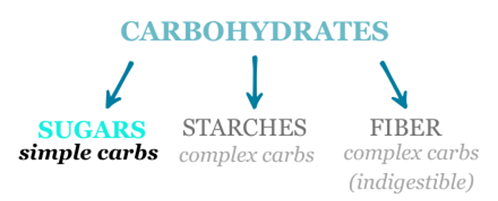
Chemically speaking, sugar can be in the form of glucose, fructose, sucrose and lactose. Each of these types of sugars are found in different types of foods.
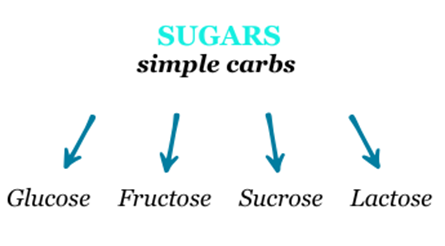
Glucose is the body’s go-to favorite source of fuel! It’s naturally found in whole foods like fruits, some veggies, honey, and dairy. Foods that have sugar already in the form of glucose are absorbed directly into the bloodstream and used quickly for energy.
The other three types of sugars — fructose, sucrose, and lactose — are also broken down (or converted) into glucose and then used as fuel too. And starches, which are a bit more complex than sugars, go through a longer digestive process but ultimately break down into glucose (aka fuel) as well.
Remember that glucose is the body’s number one go-to source of energy. That means OUR BODY NEEDS SUGAR. That’s right! You heard it here. You. Need. Sugar. BUT—there is a HUGE YES/AND to that fact. Our body needs sugar in the form of glucose sourced from whole foods.
The Different Sources of Sugar
Let’s start by demystifying the different types of sugar.
Natural sugars: Found in whole foods like fruits, vegetables and some dairy. Balanced with the addition of fiber, water and nutrients naturally found in these foods, they are the best go-to sugars for your sweet cravings and recommended for daily consumption.
Refined sugar: Highly processed sugar that’s been stripped of natural nutrients. It’s often made from sugar cane or sugar beets and used in many packaged foods.
Unrefined sugar: Less-processed sweeteners that retain small amounts of minerals from their original plant source. Still considered “added sugar,” but often seen as more “natural.” These are great options for adding to sweet treats at home.
Added sugars: Any sugar or sweetener that’s added to food during processing, cooking, or at the table. It doesn’t come naturally from the original ingredients.
Sugar alcohol: A type of low-calorie sweetener that occurs naturally in some fruits but is usually manufactured. Often used in “sugar-free” products.
How Sugar Affects the Body—and Mind
Natural Sugar
Examples: fructose (fruit), lactose (milk)
| Short-Term Effects | Long-Term Effects | Effects on Mind & Mood |
| Slow, steady energy; minimal blood sugar spike | Supports overall health when consumed in whole foods | Stable mood, better focus due to slow digestion |
Refined Sugar
Examples: white sugar, high-fructose corn syrup
| Short-Term Effects | Long-Term Effects | Effects on Mind & Mood |
| Rapid blood sugar spikes for quick energy, then a sharp crash | Higher risk of chronic disease and insulin resistance | Reinforces cravings and notable fatigue and irritability on crash |
Unrefined Sugar
Examples: honey, maple syrup, molasses
| Short-Term Effects | Long-Term Effects | Effects on Mind & Mood |
| Slightly slower spike than refined sugar | Still impacts blood sugar over time if overused | Mild mental reward response |
Added Sugar
Examples: any sugar or sweetener added to foods
| Short-Term Effects | Long-Term Effects | Effects on Mind & Mood |
| Dependent on type | Dependent on type | Dependent on type |
Sugar Alcohols
Examples: xylitol, erythritol, sorbitol
| Short-Term Effects | Long-Term Effects | Effects on Mind & Mood |
| Low blood sugar impact; can cause bloating or gas | May cause chronic GI discomfort | Minimal reward response; may reduce sugar cravings |
Bottom Line
Sugar isn’t inherently “bad”. It depends on the form and the source.
Top Sugar tips:
- Stick to natural sugars as your go-to for sweet cravings.
- Use unrefined sugars like organic maple syrup or local honey for extra sweetness in homemade treats.
- Scan ingredient labels carefully to identify what types of sugars are hidden in packaged foods.
Ready to swap out your packaged sweet treats with a delicious homemade cookie? Try my recipe for gluten-free spiced oatmeal cookies with dark chocolate recipe.
Want to learn more about nutrition and how the food we eat affects our body and mind? Sign up for my next set of virtual group classes!
Subscribe for my monthly newsletter featuring the latest articles and recipes.