I’m asked all the time about “superfoods”. Unfortunately, contrary to what marketing wants you to believe, no single food can magically transform your health.
Real wellness comes from eating a variety of whole, nutrient-dense foods that work together to support your body. This Whole Food Highlight series explores individual whole foods worth celebrating—especially when combined with other nutrient-rich foods in your diet.
The Avocado—A Creamy Gift from Nature
I love avocados! Anybody who knows me knows that avocado toast is my speciality and go-to meal at home. When creating these whole-food highlights, this creamy, green treat was the first food I thought of, and not just because of my love for them. They aren’t just delicious—they’re packed with nutrients that your body absolutely loves. Let’s dive into what makes this fruit (yes, it’s technically a fruit!) such a nutritional centerpiece.
Where Avocados Come From
The avocado (Persea americana) has been around for over 10,000 years, originally cultivated in south-central Mexico. These evergreen trees thrive in warm, subtropical climates and can grow up to 80 feet tall in the wild! Today, you’ll find avocado farms everywhere from California to Peru to Indonesia.
Avocados are also known as:
Alligator Pear because of its rough, alligator skin-like exterior
Fertility Fruit because Aztecs believed the fruit promoted fertility for both men and women
Butter Fruit because of its buttery nature (and still known as this in parts of Southern India!)
Ancient Appreciation
The Aztecs called avocados ahuacatl (I encourage you to look up what part of the anatomy this name refers to!) and considered them symbols of love and fertility. These fruits were so valued that avocado trees were used as property markers, and the fruit itself was given as tribute to rulers. The Aztecs knew what they were doing! They recognized avocados as a concentrated source of energy—perfect for travelers who needed portable, nutrient-dense food.
This ancient wisdom lines up perfectly with what modern nutrition science tells us about avocados today. In other words, our ancestors were right (which is often the case).
Somewhere along the way, we lost touch with the innate knowledge of how to nourish ourselves. Our ancestors knew, without question, what their bodies needed. We lost that connection somewhere along the way—but I believe we can find it again.
Why Your Body Loves Avocados
Healthy Fats
Avocados are loaded with monounsaturated fatty acids—the same heart-healthy fats found in olive oil. These fats support cardiovascular health by helping maintain healthy cholesterol levels and reducing inflammation throughout your body. And since your brain is about 60% fat, these quality fats are essential for cognitive function, memory, and even mood regulation.
The Nutrient Absorption Superpower
Avocados help your body absorb nutrients from OTHER foods. The healthy fats in avocados allow your body to soak up fat-soluble vitamins (A, D, E, and K) plus carotenoids like beta-carotene and lycopene from vegetables. Research shows that adding avocado to a meal can increase carotenoid absorption by up to 15 times!
Packed with Potassium (and More!)
Plot twist: avocados actually have MORE potassium than bananas! Potassium supports healthy blood pressure, proper muscle function, and helps your body maintain fluid balance. Avocados also deliver vitamins C, E, K, and B vitamins including folate. Plus, they contain lutein and zeaxanthin—antioxidants that are particularly great for eye health.
Fiber for the Win
One avocado packs about 10 grams of fiber—roughly 30% of what you need in a day! This fiber supports your digestive system, feeds the good bacteria in your gut, helps stabilize blood sugar, and keeps you feeling full and satisfied. The combo of healthy fats plus fiber is why avocados are so good at keeping your energy steady throughout the day.
A quick note on sustainability: Industrial avocado farming can be water-intensive and impact local ecosystems. When possible, look for avocados from farms committed to sustainable practices, or choose organic options that support healthier soil.
Getting Creative with Avocados
The beauty of avocados is their versatility! Here are some of my favorite ways to enjoy them:
- Lightly sautéed in olive oil and balsamic, as a base for avocado toast
- Simply sliced with flakey sea salt, pepper and a squeeze of lemon
- Blended into smoothies for creaminess
- Smashed with lemon, cumin, onions, garlic and salt for a fresh guacamole
- Grilled and served on top of just about ANYTHING!
Here are some of my personal pics from my phone of avocado appearing in our meals over the past year. *There is sautéed avocado tucked beneath some of the eggs & veggies in the pics*
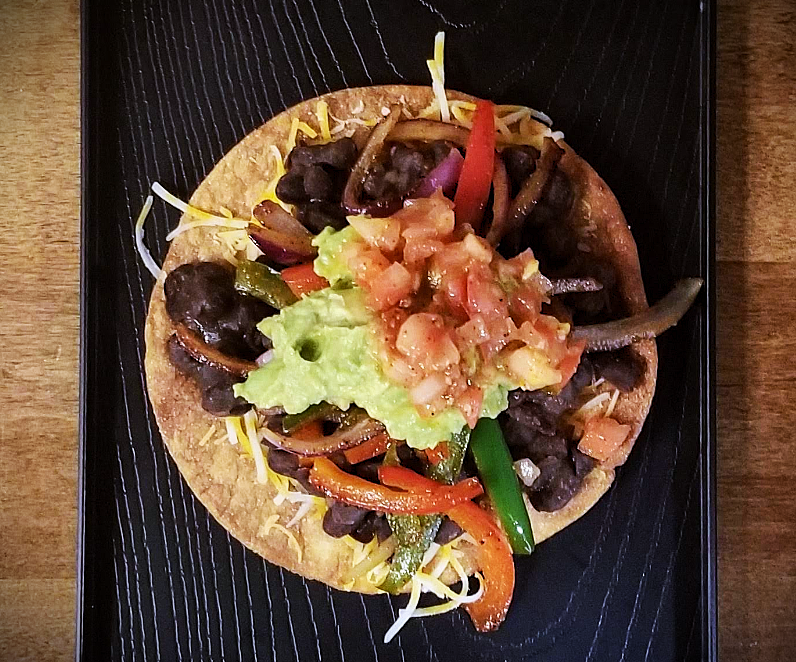




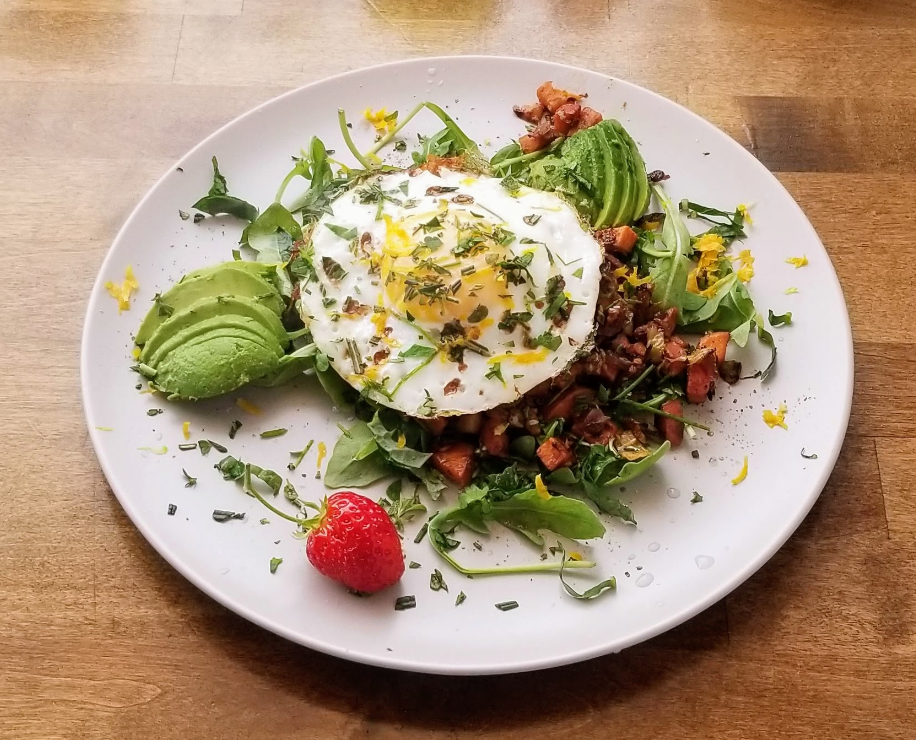
In short, there’s no wrong way to enjoy an avocado. Experiment and find what makes your taste buds happy!
Cool Avocado Facts & Tips
- They don’t ripen on the tree—they only soften after being picked.
- A single mature tree can produce 200-300 avocados per year.
- Pop off the stem and if it’s green underneath, it is ready to eat! If it’s brown, it is past it’s prime.
- Ripe, uncut avocados can be kept in the fridge to prolong their shelf life.
- Avocados are biologically fruits and technically considered single-seeded berries!
The Bottom Line
Avocados are a reminder that nature knows what it’s doing. This whole food delivers healthy fats, essential nutrients, and fiber all in one creamy package. When you choose quality avocados and make them part of your diverse, whole-foods diet, you’re giving your body exactly what it needs to thrive.
References
Avocados From Mexico. (n.d.). Avocado Education. https://avocadosfrommexico.com/education
California Avocado Commission. (n.d.). California avocado growers. https://www.californiaavocadogrowers.com/
FoodPrint. (n.d.). Real food: Avocados. https://foodprint.org/real-food/avocados/
Gutoskey, E. (n.d.). 11 vegetables that are actually fruits botanically speaking. Mental Floss. https://www.quickanddirtytips.com/qdtarchive/11-vegetables-that-are-actually-fruits-botanically-speaking/
Murray, M. T., Pizzorno, J., & Pizzorno, L. (2005). The encyclopedia of healing foods. Atria Books.
Unlu, N. Z., Bohn, T., Clinton, S. K., & Schwartz, S. J. (2005). Carotenoid absorption from salad and salsa by humans is enhanced by the addition of avocado or avocado oil. The Journal of Nutrition, 135(3), 431-436. https://jn.nutrition.org/article/S0022-3166(22)02032-6/fulltext